

Recovery-Informed Mental Health Counseling in New York
Recovery can affect much more than substance use alone. It can shape anxiety, relationships, shame, identity, self-trust, stress, and the way you make sense of yourself after difficult seasons. Nick Highland, LMHC, CASAC-2, offers recovery-informed telehealth counseling across New York for adults who want mental health support from someone who understands recovery without making it the only focus of therapy.
No pressure. Ask questions and see if working together feels like a good fit.
Now accepting new patients for telehealth sessions in New York.
In network with major plans. View insurance & self-pay rates.

Recovery-Informed Support
Mental health counseling that understands recovery without reducing you to a label.

Anxiety & Depression
Support for people who feel stuck in cycles of worry, overwhelm, or low mood and want practical ways to regain steadiness and engagement with life.

Faith, Spirituality & Religious Trauma
A space to process harmful or confusing religious experiences, rebuild your sense of identity, and decide what role faith or spirituality will have in your life moving forward.

Neurodivergence Support
Affirming support that focuses on understanding your brain, reducing shame, and building systems that work with how you naturally think and function.

LGBTQAI+ Affirming Support
Respectful, identity-affirming counseling for LGBTQIA+ individuals navigating identity, relationships, family dynamics, or the intersection of sexuality, gender, and faith.
People Often Reach Out to Me When…
- They are in recovery and want mental health counseling that understands substance use history without making every concern only about substances.
- Anxiety, depression, shame, grief, relationship strain, or burnout are affecting their sense of stability in recovery or everyday life.
- Past treatment experiences, relapse history, family addiction, or old coping patterns still shape how they relate to themselves and others.
- They are not looking for formal substance use treatment, but want a therapist who understands recovery language, relapse patterns, and the complexity of change.
- They want support that is honest, non-moralizing, values-based, and focused on building realistic changes that can actually hold up in real life.
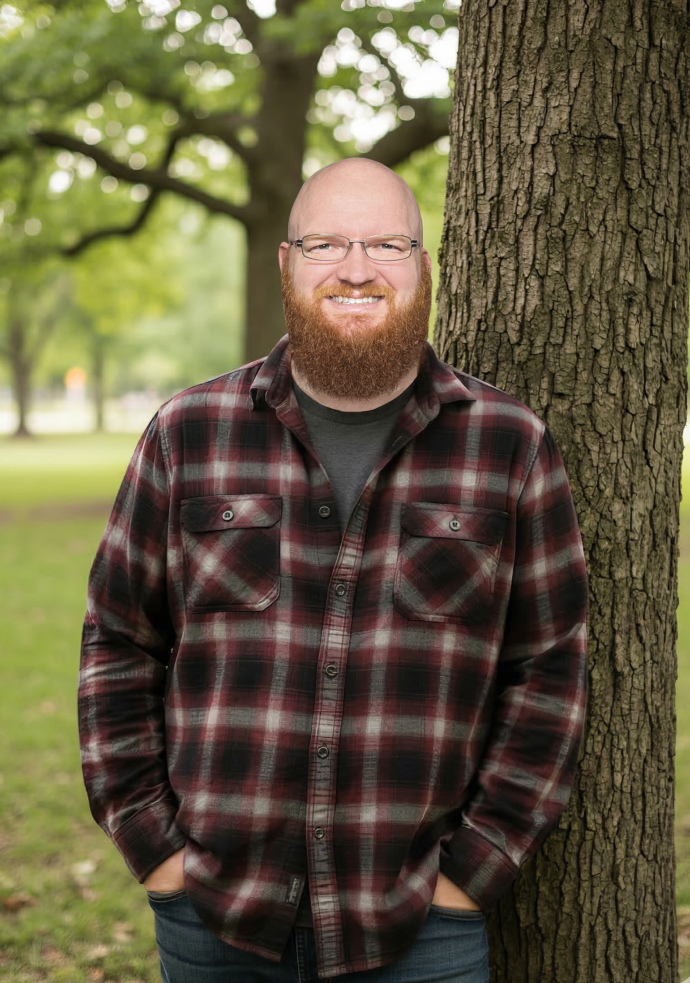
Hi. I'm Nick.
LMHC, CASAC-2

Hi, I’m Nick.
I’m a licensed mental health counselor in New York (LMHC, CASAC-2) and I work primarily with adults navigating anxiety, relationship difficulties, questions of identity and meaning, spiritual or religious struggles, and substance use concerns. I have a history of working in recovery facilities, and I am a Credentialed Alcoholism and Substance Abuse Counselor in New York.
My approach is grounded in psychodynamic and narrative therapy. In our work together, we explore the patterns, experiences, and personal stories that shape how you see yourself and your relationships, with the goal of developing greater clarity, freedom, and direction in your life.
I bring nearly two decades of experience walking alongside people through complex personal challenges. My style is thoughtful, direct, and collaborative. While therapy often involves serious reflection, I also make room for humor. Many clients find that being able to laugh at times helps create perspective and makes difficult conversations easier to approach.
If you’re considering therapy, you’re welcome to schedule a free 15-minute consultation to see whether working together feels like a good fit.
How do I get started?
1. Schedule a free consultation
IIf you need detox, emergency care, or a higher level of substance use treatment, therapy is not the right first stop. But if you are looking for ongoing mental health counseling that understands recovery, a consultation can help you decide whether this fit makes sense.
2. Meet for your first session
In the first session, you do not need to explain your whole history perfectly or prove where you are in the change process. We can start with what feels most difficult right now, whether that is anxiety, shame, relationships, identity, stress, relapse concerns, or the emotional weight of trying to keep life steady.
3. Work toward meaningful change
Recovery-informed mental health counseling can help you understand the pattern underneath the pattern. That might include looking at what old coping strategies have done for you, what stressors keep certain cycles alive, what self-talk takes over after setbacks, and what values-based change could look like in daily life.
FAQ
Is this substance use treatment?
No. This is mental health counseling that is informed by recovery treatment experience and substance use counseling credentials. If you need detox, intensive treatment, medication-assisted treatment, or a dedicated substance use treatment program, those supports may be more appropriate.
Do I have to be in recovery to work with you?
No. Some clients are in recovery, some have a complicated relationship with substances, and some are affected by family addiction, relapse history, or past treatment experiences. We can talk through whether this kind of support fits what you are looking for.
What if shame is a huge part of the problem?
That is common. Shame often keeps people isolated and makes change harder to approach honestly. Therapy can help reduce the grip of shame so your choices are not driven only by fear, self-attack, or the need to look like you are doing fine.
How Therapy Can Help
Recovery-informed mental health counseling is not about making every conversation about substance use or treating recovery as your entire identity. The work often starts with getting more specific: what has recovery changed in your life, what still feels difficult to trust, what patterns keep repeating, and where do anxiety, shame, relationships, stress, or identity questions keep pulling you back into old survival strategies?
From there, therapy can help with both insight and practical change. That might include understanding relapse-related fear, rebuilding self-trust after setbacks, addressing shame without moralizing, clarifying values, strengthening boundaries, and learning how to make choices that feel less driven by pressure, secrecy, or self-punishment.
Fees & Insurance
I work with adolescent and adult clients located in New York State via Telehealth (Virtual Sessions). Sessions are typically weekly for a duration of 53 minutes (per insurance guidelines).
In-network plans
Insurance benefits vary by plan. Your out-of-pocket cost may be limited to your copay, coinsurance, or deductible.
Self-Pay Rate
If you prefer not to use insurance, the rate is:
53-minute session: $175
Substance Abuse Counselor