

Religious Trauma Therapy in New York
If you are trying to make sense of spiritual abuse, fear, shame, identity confusion, or the disorientation that can follow a painful faith experience, support is available. Nick Highland, LMHC, CASAC-2, offers telehealth religious trauma therapy across New York for adults who want a grounded, nonjudgmental place to sort out what happened and what healing could look like.
You do not need to have every answer about faith, church, belief, or identity before reaching out. You don’t have to decide whether ongoing or not you still believe or want to be a part of a religious community. Therapy can make room for uncertainty, grief, anger, relief, and rebuilding all at once.
You don’t even have to decide what to call your experience before reaching out. A brief consultation can help you decide whether this feels like a good next step.

Faith, Spirituality & Religious Trauma
A space to process harmful or confusing religious experiences, rebuild your sense of identity, and decide what role faith or spirituality will have in your life moving forward.

LGBTQAI+ Affirming Support
Respectful, identity-affirming counseling for LGBTQIA+ individuals navigating identity, relationships, family dynamics, or the intersection of sexuality, gender, and faith.

Anxiety & Depression
Support for people who feel stuck in cycles of worry, overwhelm, or low mood and want practical ways to regain steadiness and engagement with life.

Life Transitions & Values Clarification
Counseling that helps you clarify what matters most and move toward a life that feels aligned and intentional.

Neurodivergence Support
Affirming support that focuses on understanding your brain, reducing shame, and building systems that work with how you naturally think and function.
People Often Reach Out to Me When…
- Experiences with religion or faith have left them feeling anxious, ashamed, conflicted, or disconnected from themselves.
- They are healing from spiritual abuse, purity culture, chronic religious shame, or high-control religious environments.
- They feel torn between wanting distance from harmful religious experiences and grieving the loss of community, certainty, or belonging.
- They are questioning, leaving, rebuilding, or trying to stay connected to faith in a way that feels honest and safe.
- They want support untangling belief, identity, fear, guilt, and self-trust without being pushed toward a predetermined spiritual outcome.
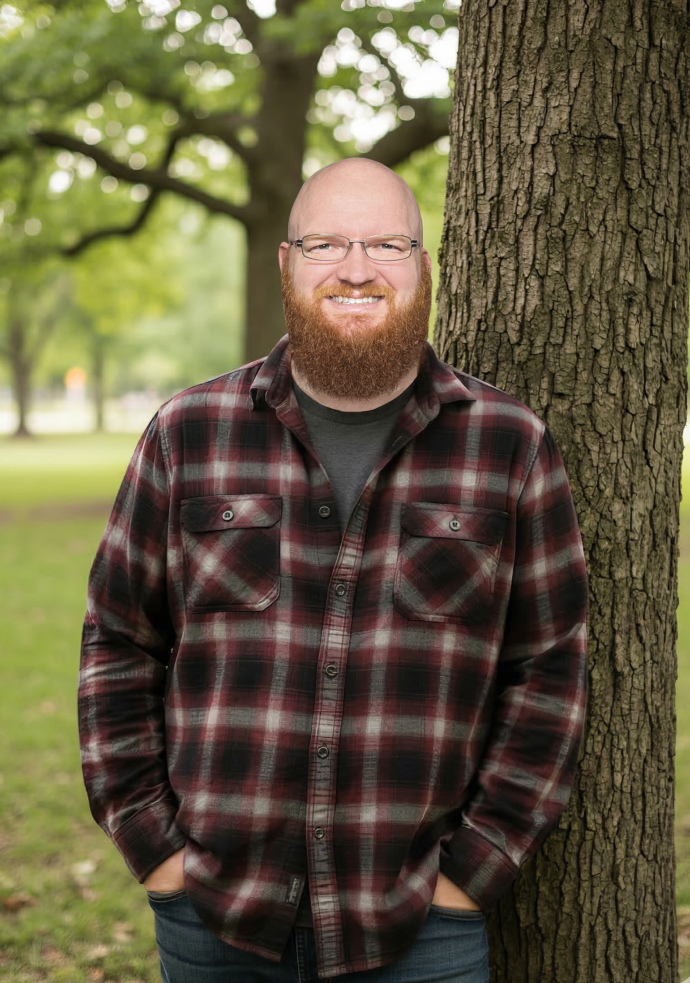
Hi. I'm Nick.
LMHC, CASAC-2

Hi, I’m Nick.
I’m a licensed mental health counselor in New York (LMHC, CASAC-2) and I work primarily with adults navigating anxiety, relationship difficulties, questions of identity and meaning, spiritual or religious struggles, and substance use concerns.
My approach is grounded in psychodynamic and narrative therapy. In our work together, we explore the patterns, experiences, and personal stories that shape how you see yourself and your relationships, with the goal of developing greater clarity, freedom, and direction in your life.
I bring nearly two decades of experience walking alongside people through complex personal challenges. My style is thoughtful, direct, and collaborative. While therapy often involves serious reflection, I also make room for humor. Many clients find that being able to laugh at times helps create perspective and makes difficult conversations easier to approach.
If you’re considering therapy, you’re welcome to schedule a free 15-minute consultation to see whether working together feels like a good fit.

How do I get started?
1. Schedule a free consultation
Religious Trauma is very painful, but you don’t have to navigate it alone. A brief consultation can help you decide whether therapy feels like the right next move.
2. Meet for your first session
Maybe you know exactly where you want to start, or may be you’d prefer to start slow or prefer to feel guided into the therapy experience. Whatever starting place feels best to you, that’s where we’ll begin.
3. Work toward meaningful change
Therapy often involves slowing down enough to notice how fear, shame, hypervigilance, self-doubt, and identity confusion are still operating in daily life. It can also involve grief work, values clarification, boundary repair, and learning how to trust your own internal signals again.
FAQ
Do I have to identify the experience as trauma to reach out?
No. Many people come in unsure what description fits. You can start with the parts that feel confusing, painful, or hard to shake. Therapy can help you name the pattern over time.
Will therapy push me away from religion?
No. Therapy is not about steering you toward or away from faith. It is about helping you relate to yourself more honestly and safely while you sort through what you believe and what you need.
Can this kind of therapy help with anxiety and shame too?
Religious trauma frequently overlaps with anxiety, chronic shame, perfectionism, and identity confusion. The work can address those patterns together instead of treating them in isolation.
How Therapy Can Help
Therapy for religious trauma is not about debating your beliefs, pushing you toward or away from faith, or reducing painful experiences to a simple disagreement about doctrine. The work often starts with getting more specific: what did your religious environment teach you to fear, what parts of yourself did you learn to silence, and what patterns are still shaping your daily life even after you have gained distance from the harm?
From there, therapy can help with both trauma-aware support and deeper self-understanding. That might include noticing how shame, hypervigilance, people-pleasing, self-doubt, or fear of punishment still show up; grieving what was lost; clarifying what you value now; repairing boundaries; and rebuilding trust in your own thoughts, body, choices, and internal signals.
You may want to remain connected to your faith, step away from it, or relate to it in a different way than you were taught. Therapy is not meant to decide that for you. The goal is to help you move with more clarity, self-trust, and alignment, rather than being led primarily by fear, shame, or pressure.
Fees & Insurance
I work with adolescent and adult clients located in New York State via Telehealth (Virtual Sessions). Sessions are typically weekly for a duration of 53 minutes (per insurance guidelines).
In-network plans
Insurance benefits vary by plan. Your out-of-pocket cost may be limited to your copay, coinsurance, or deductible.
Self-Pay Rate
If you prefer not to use insurance, the rate is:
53-minute session: $175
Substance Abuse Counselor